REGISTRATION FORM
Summer Program 2026
Summer Program Daily Schedule
Children will explore distinct themes each week during Summer Program, but every week will contain themes of a Latin-American / Spanish cultural, geographical, and environmental nature. Some weeks a special guest or program will arrive to share her expertise based on the weekly theme. Guests usually visit us as a way to celebrate a week of exploration and learning.
Following is the typical hourly schedule for a day at program:
Program Hours: 9:00 AM - 3:00 PM.
9:00 – 9:30: Drop-off, dramatic free-play / books / coloring.
9:30 – 10:15: Welcome, Group circle and Music and Movement. Children will be introduced to the topic through music written and recorded by ABC Spanish in Motion for our classes. Songs from our 8 seasonal albums have been selected to support the themes we'll explore each week. Vocabulary is introduced through the music, which is accompanied by basic instruments, props, games, and other things children can be interacting with in conjunction with the material in the songs
10:15 – 10:45: Bathroom break / hand-washing. Snack time.
10:45 – 11:00: Spanish reading time. Story/Book.
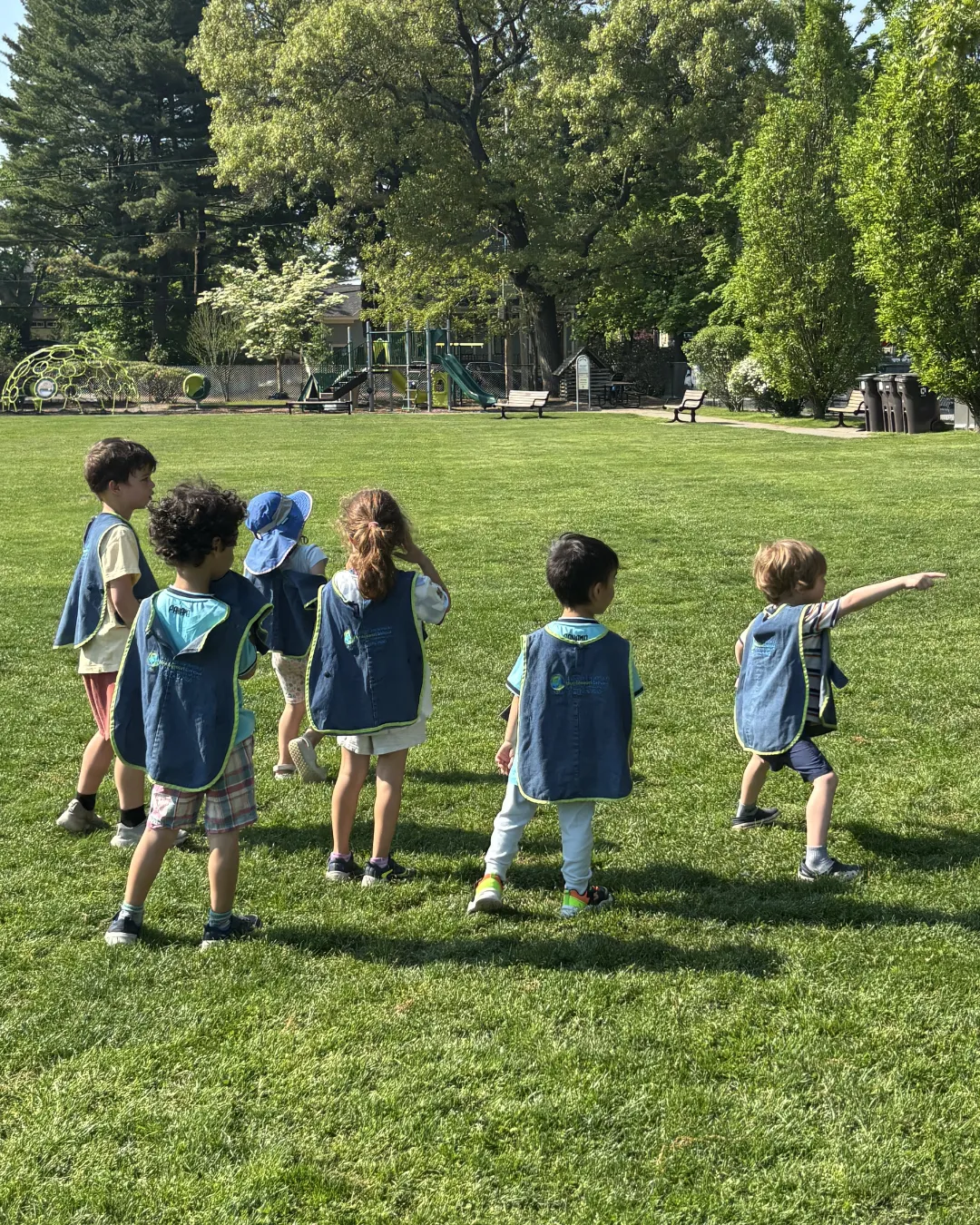
11:00 – 12:00: Gross-motor activity (a walk to the park / kinetic games, etc.)
12:00– 1:00: Bathroom break / hand-washing.
12:00 – 1:00: Lunch time.
1:00 – 2:00: Rest Time / quiet activities. Independent reading, quiet music, Story time.
2:00 – 2:45: Theme-based activity. The activity will vary each day, being a game, yoga, Zumba, a ‘science’ activity, etc.
2:45-3:00: Clean up. Bathroom break. Goodbye song. Pick up.
Extended hours (until 5:00 PM): reading and writing, games, arts and crafts, dramatic play, games, etc.
Summer Program Dates
When: June 29 - August 21
Time: 9:00 AM - 3:00 PM
(3:00-5:00 PM Optional)
Week 1
June 29 - July 2
Week 2
July 6 - 10
Week 3
July 13 - 17
Week 4
July 20 - 24
Week 5
July 27 - 31
Week 6
August 3 - 7
Week 7
August 10 - 14
Week 8
August 17 - 21
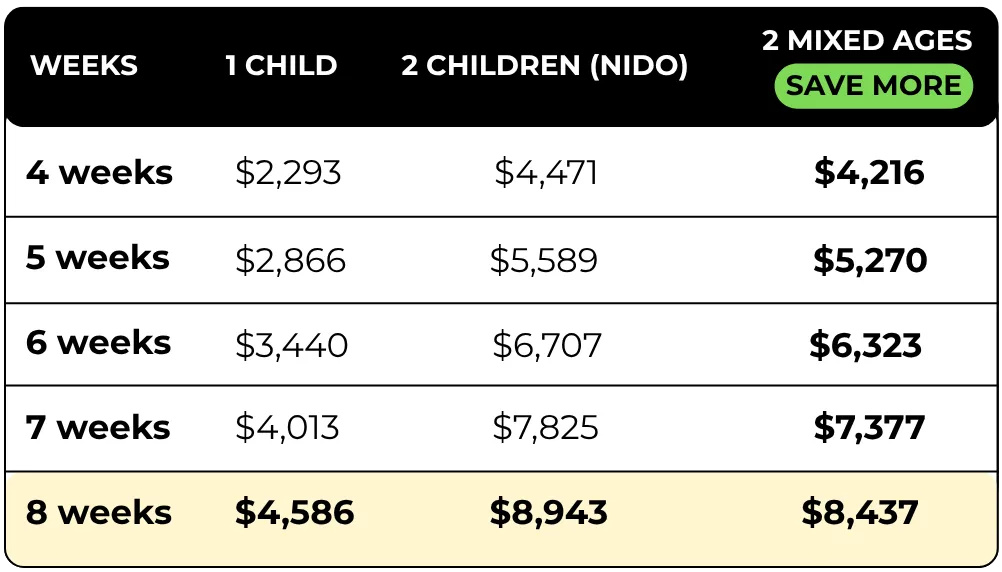
Extended Day (3:00–5:00 PM): $36 per day or $180 per full week.
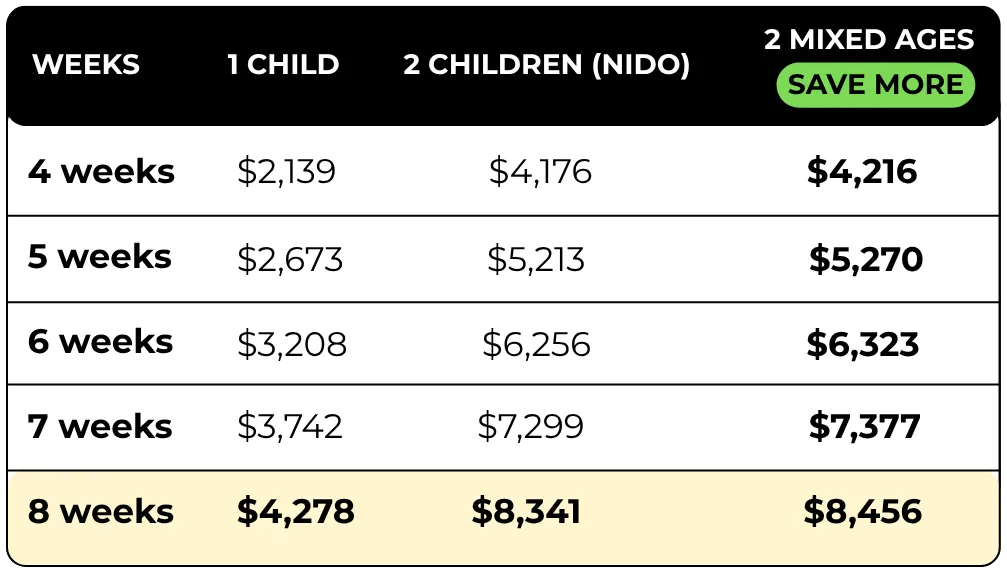
Extended Day (3:00-5:00 PM): $34 per day or $170 per full week.
Week 1: Protecting the Planet / Protejamos a la Naturaleza
This week, children will embark on an exciting journey through the solar system, exploring planets and the vast cosmos. They will learn about the importance of conservation and how human actions impact the Earth. As young explorers, they will take an expedition through the Americas, discovering diverse landscapes--from tropical islands and wide plains to rainforest jungles and the Andes mountains. Along the way, they will learn about endangered species, the unique habitats they call home, and ways to protect them. Through hands-on activities, children will explore how different cultures across the Americas care for the environment and practice sustainable living. By the end of the week, they will have a deeper understanding of our planet and how to keep it green and healthy for future generations.
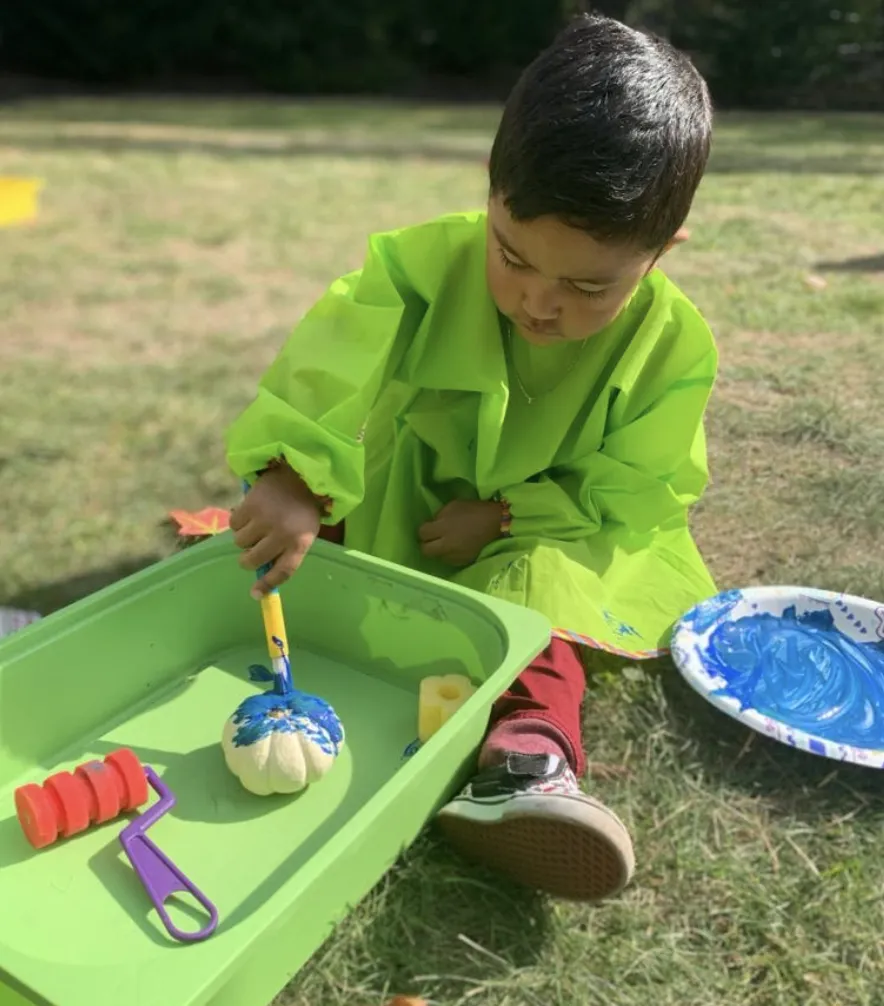
Week 2: Take to the Sea! / ¡Vamos al Mar!
Children will be exposed to native foods, music, animals and beautiful seaside sites of the Spanish-speaking world. We'll travel to the Caribbean, the Galapagos and Patagonia to contrast the inhabitants of these varied climates. As ocean explorers, we'll navigate the Atlantic and Pacific oceans and learn about Lonesome George, Sally Lightfoot Crabs, penguins, dolphins, orcas, marine Iguanas, and seals in their habitats. Students will practice locating some of these animals' home countries on the globe. They will also create their own marine masterpieces, with recycled materials (as much as possible) to encourage environmental awareness. Children will return home singing songs written to honor the marine environments and animals of the Americas.
Week 3: Little Chefs / Pequeños Cocineros
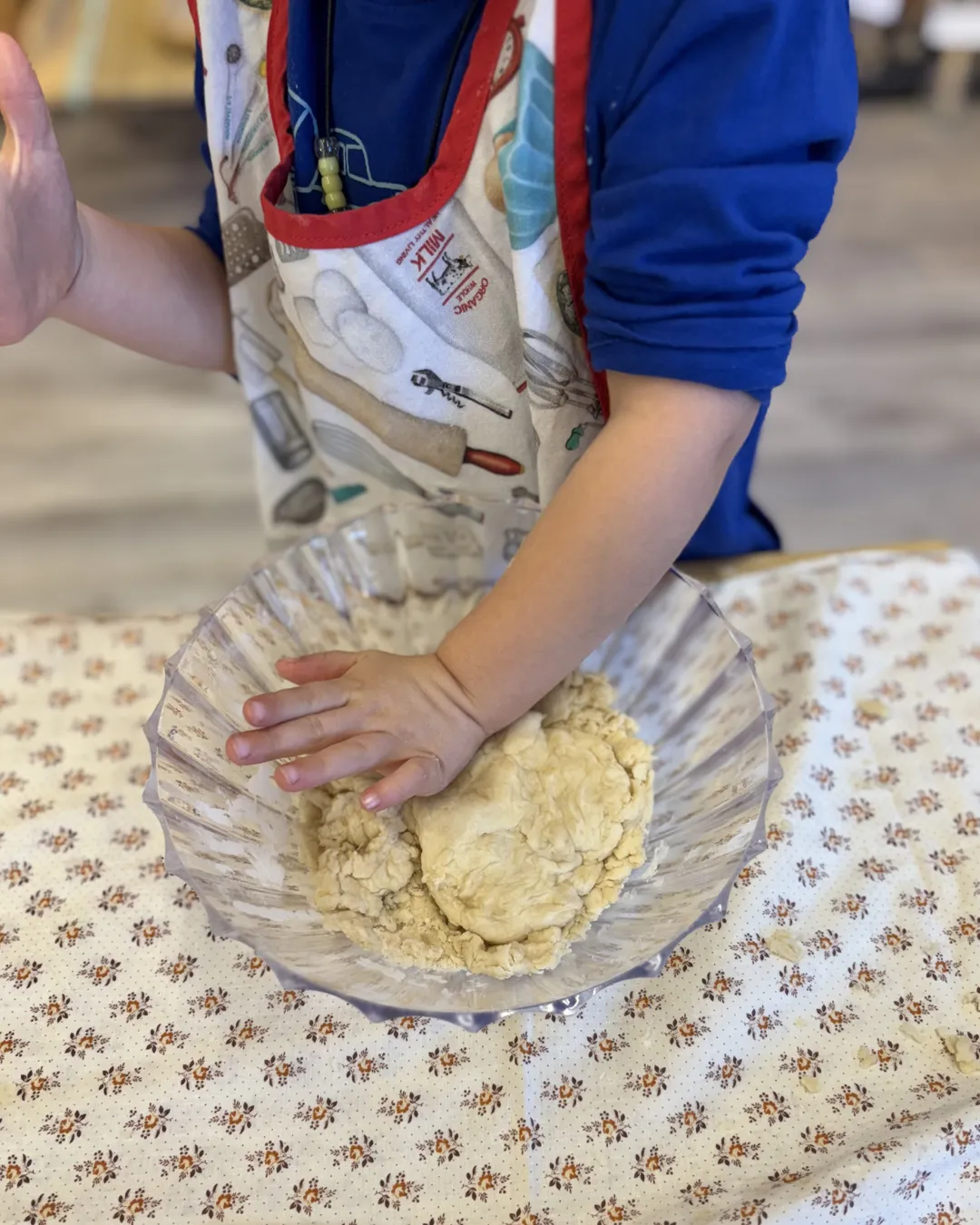
Children will delight in preparing and tasting wonderful dishes from the Americas. This week's target vocabulary will focus on table and kitchen words, and table manners will be introduced. Through hands-on cooking experiences featuring Central and South American cuisine, children will explore science, math, health, social skills, and cultural traditions. They will prepare guacamole, arepas, quesadillas, and the sweet and creamy Spanish rice pudding (arroz con leche). As they measure, squeeze, and mix ingredients, they will sing traditional songs from Latin America. To deepen their connection with nature, students will plant various legumes, observing their growth while counting, sorting, and exploring their diversity in color and shape.
Week 4: Let's Go Camping! / ¡Vamos a acampar!
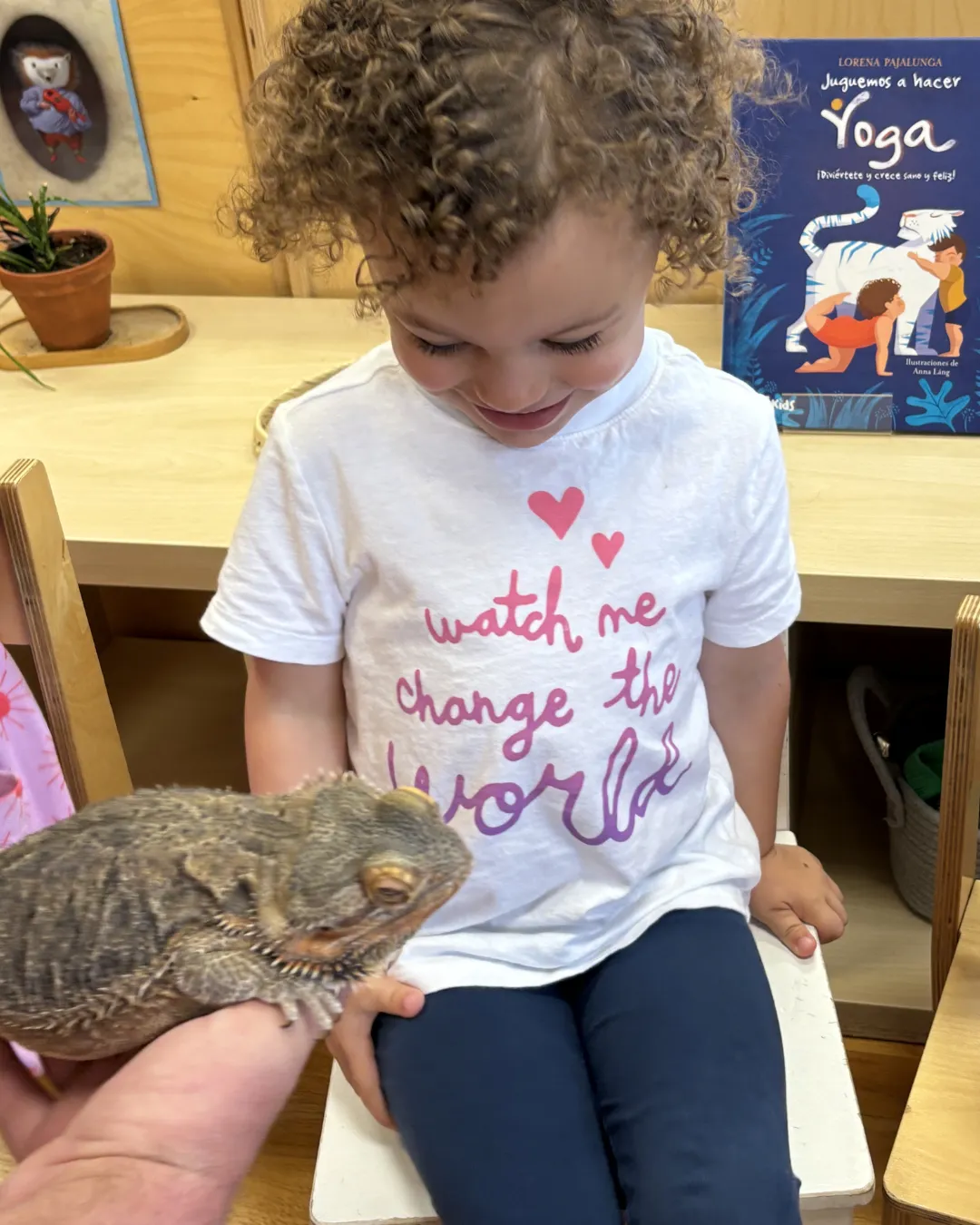
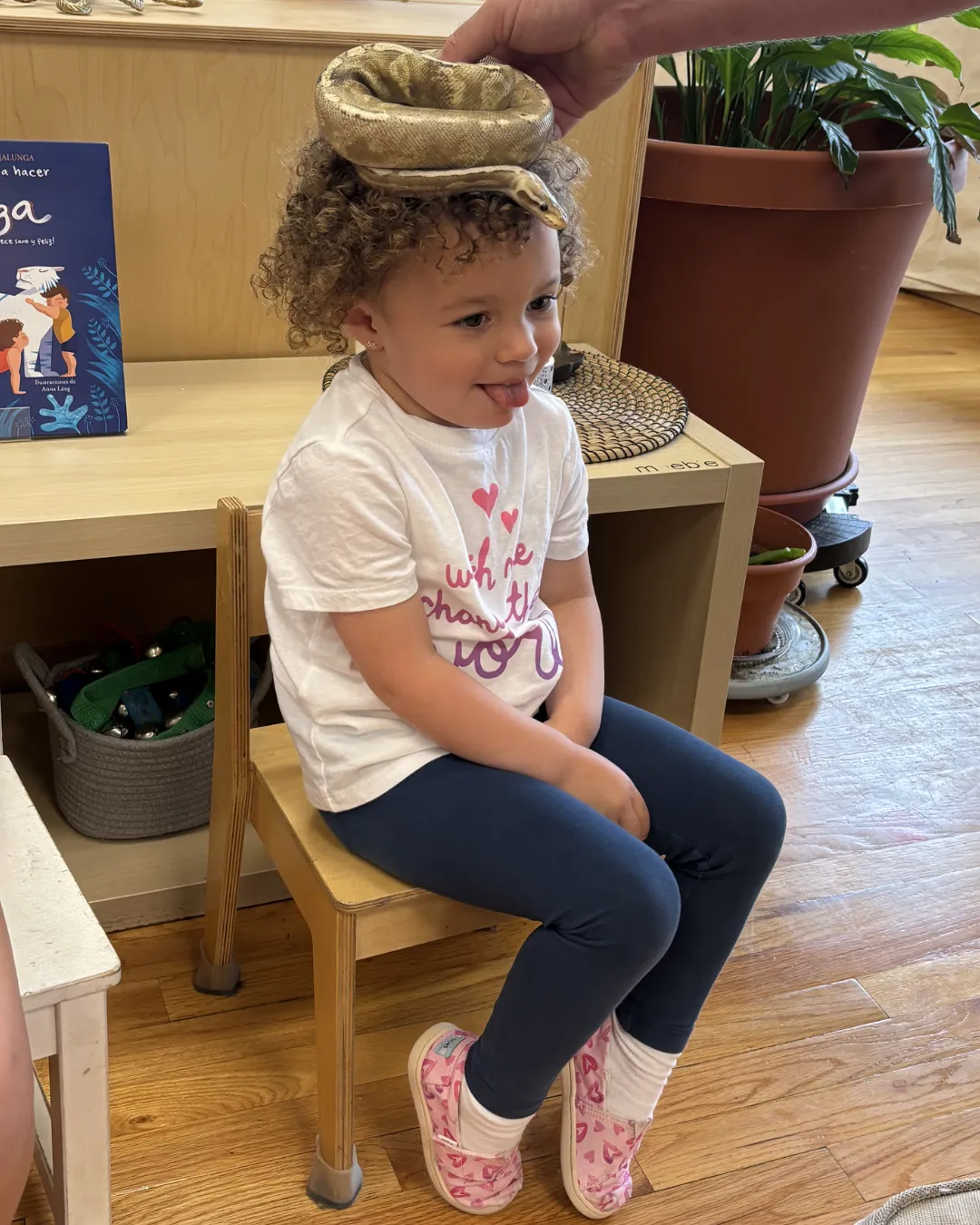
This week, "Campers" (students) will transform the classroom into an outdoor paradise, bringing to life mountains, rivers, lakes, forests, and beaches through art. Students will design and create a unique tent using recycled materials, fostering environmental awareness and the importance of conservation. We will explore diverse regions of the Americas, including the Caribbean, Guatemala, the Amazon, and the Andean regions of South America, while studying the unique fauna found in each area. Children will also have a special opportunity to interact with real animals brought to us by Curious Creatures. Throughout the week, students will engage in camping-themed activities, acting out outdoor experiences and creating items for camping, such as kites and fishing rods.
Week 5: On the Farm / En la Granja
This week, children will immerse themselves in farm life as we transform the classroom into a vibrant farmyard. Students will learn the Spanish names for farm animals and work together, like busy bees (abejas), to build a barn, stables, and homes for the animals. Through song, role-play, and Total Physical Response (TR) storytelling, children will explore each animal's role on the farm, learning about their needs and contributions (such as providing milk, eggs, wool, etc.). We will also discover the variety of animals found on farms across the Americas and the Spanish-speaking world. To bring the experience to life, a live "petting zoo" will visit the classroom, allowing children to observe and interact with fluffy and cuddly animals firsthand.
Week 6: When I Grow Up / Cuando Sea Grande
This week, children will explore the question, "What do I want to be when I grow up?" Through hands-on activities, they will build and explore different scenes to learn about various professions. They will meet campesinos and indigenous people of the Americas, as well as individuals from urban professions we encounter in daily life. Together, we will create a community of helping professionals from today's multicultural neighborhoods. Children will discover that a community can be small, with only a few buildings and residents, or large, like modern cities. In our recreated community, students will work together to offer goods and services, learning the value of cooperation. They will also explore the importance of being bilingual in a multicultural community and how language bridges cultures and differences. Throughout the week, professionals from various fields will visit the class to share how they contribute to their communities every day.
Week 7: Carnival, Circus, and Fiesta! / Carnaval, Circo, y Fiesta!
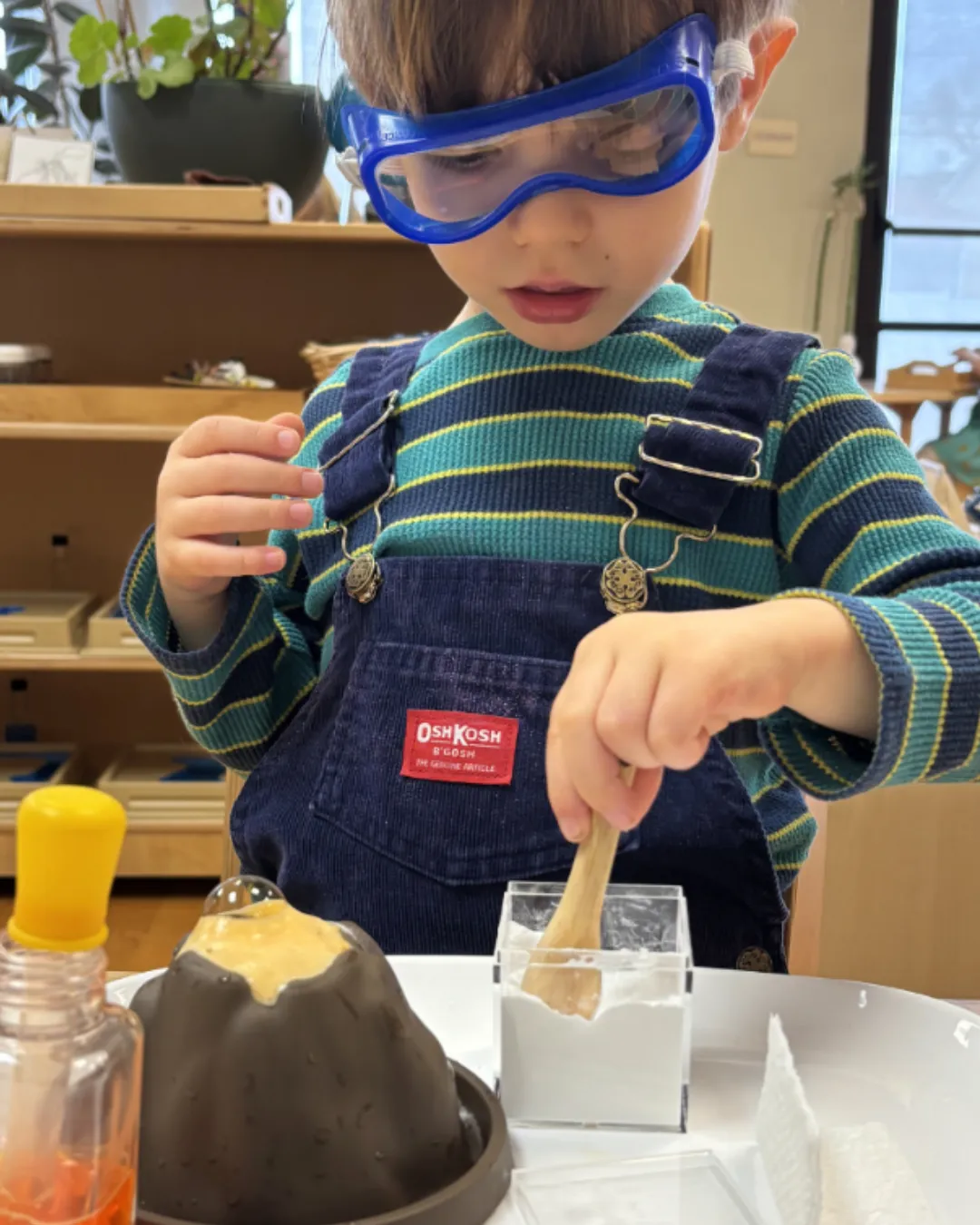
This week, children will design their own circus costumes and participate in a lively Carnival parade! They will dance and sing to vibrant rhythms from across the Americas. Children will explore various percussion instruments, learning to handle and play them. Students will also create their own instruments using recycled materials. At the end of the week, they'll showcase their talents in a fun performance. We'll celebrate Carnaval and the exciting world of the circus, learning about performers such as dancers, musicians, and trapeze artists
Week 8: Changing Seasons, Changing Colors / El Cambio de Estaciones, El Cambio de los Colores
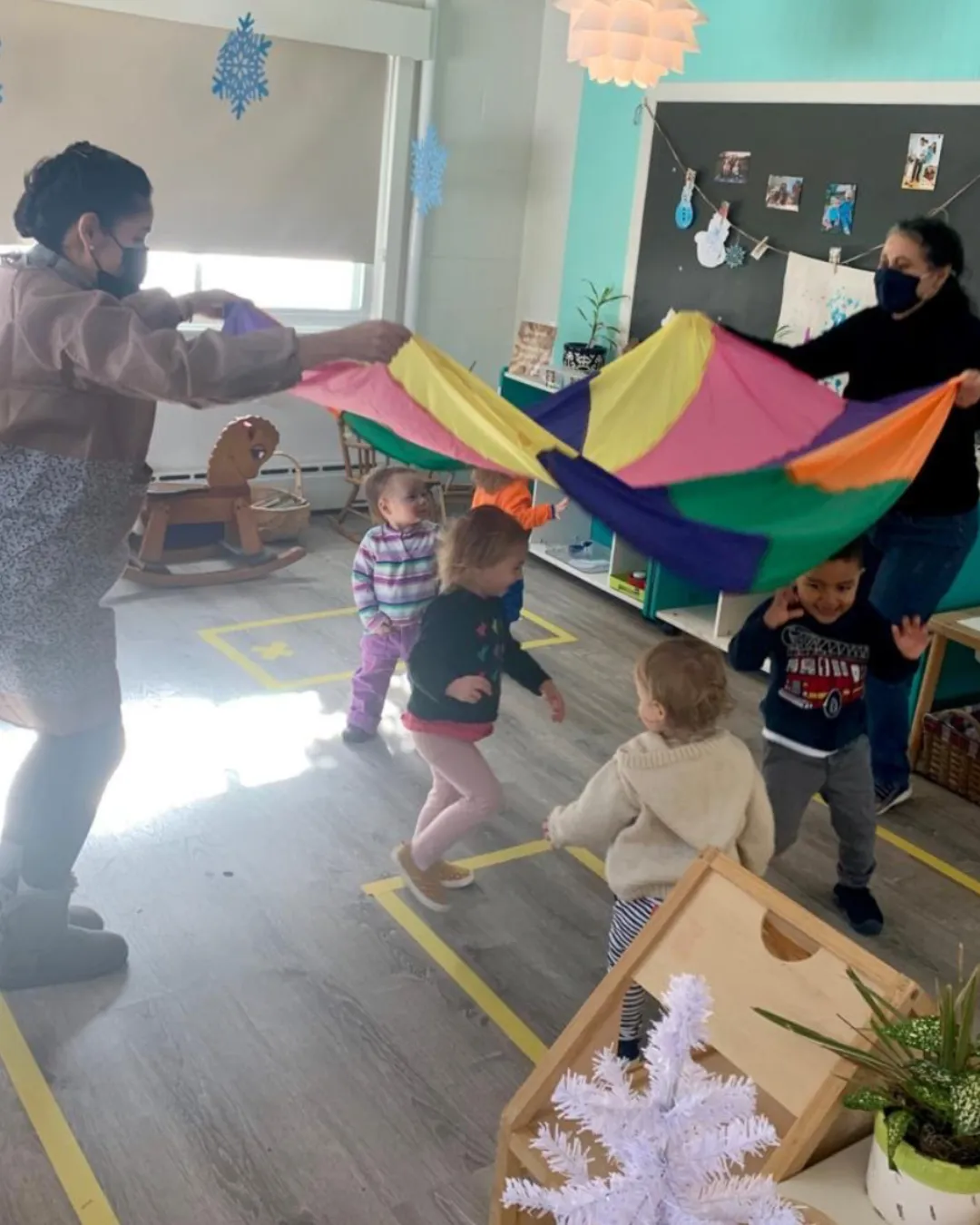
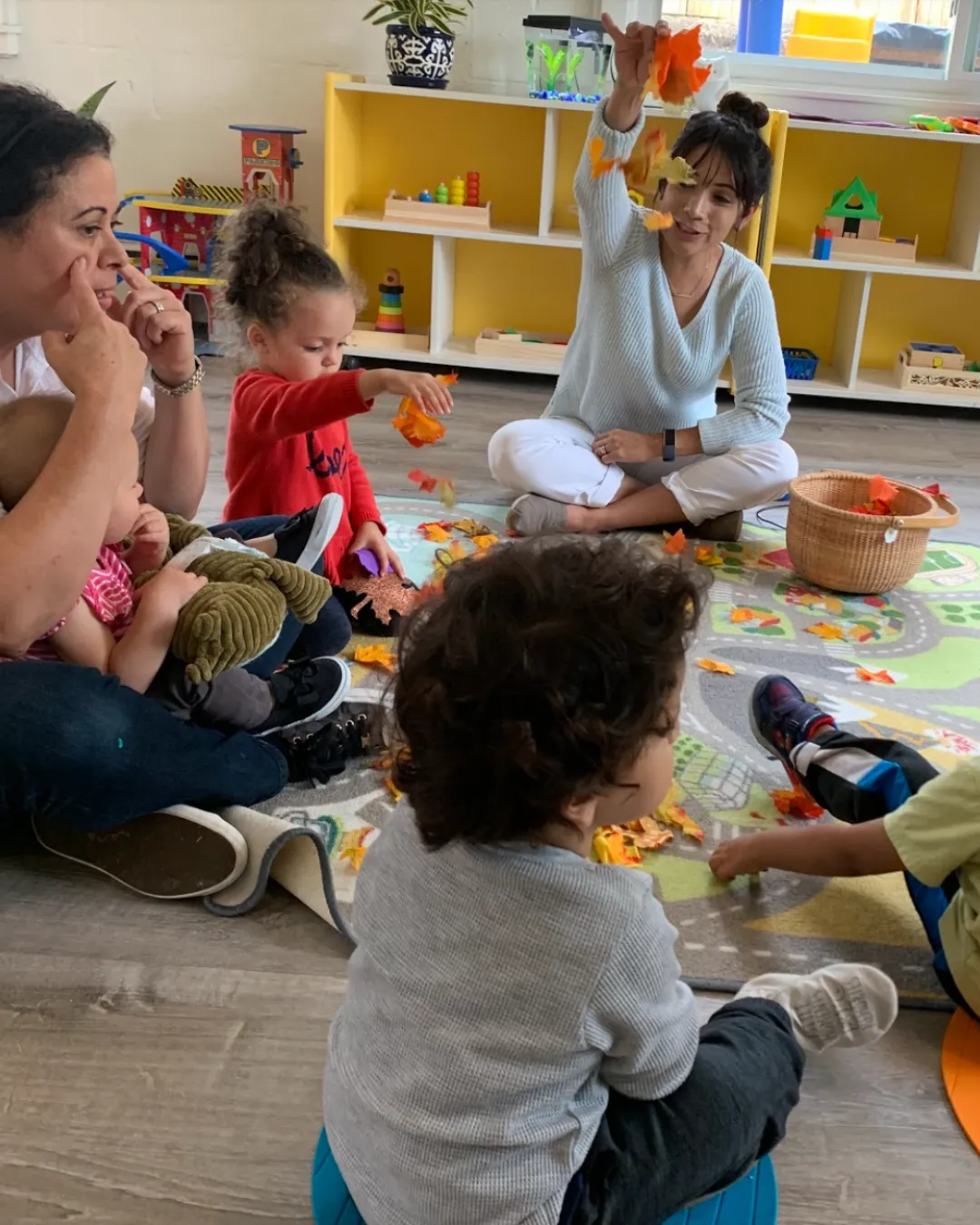
This week, children will explore the changing seasons and the diverse climates found across the Americas. They will learn how the seasons differ throughout the continents, such as how Patagonia experiences winter in July and summer in January. We will also examine the seasons and climates in the Caribbean, Amazon, and Andean regions. As children explore each region's unique weather patterns, they will become familiar with the animals that inhabit these diverse environments. To bring the seasons to life, students will craft seasonal items like scarecrows
and snowmen, reflecting the colors and images that represent each time of year.
Stay in the loop
Montessori tips, upcoming events, and enrollment updates — straight to your inbox.
A Spanish Immersion Montessori school for children ages 15 months–6 years, with campuses across the Greater Boston area.
Programs
Quick Links


© 2026 Spanish Immersion Montessori School. All rights reserved.